
Community wellness is a multifaceted concept that transcends the mere absence of disease: it encompasses individuals and their collective well-being. At LotsOfPower, this idea is actively embraced, fostering environments that empower community members to lead healthier, happier lives. This article explores the intricacies of community wellness, its significance, and practical strategies to enhance well-being within communities, particularly as demonstrated by the LotsOfPower initiative.
Understanding Community Wellness
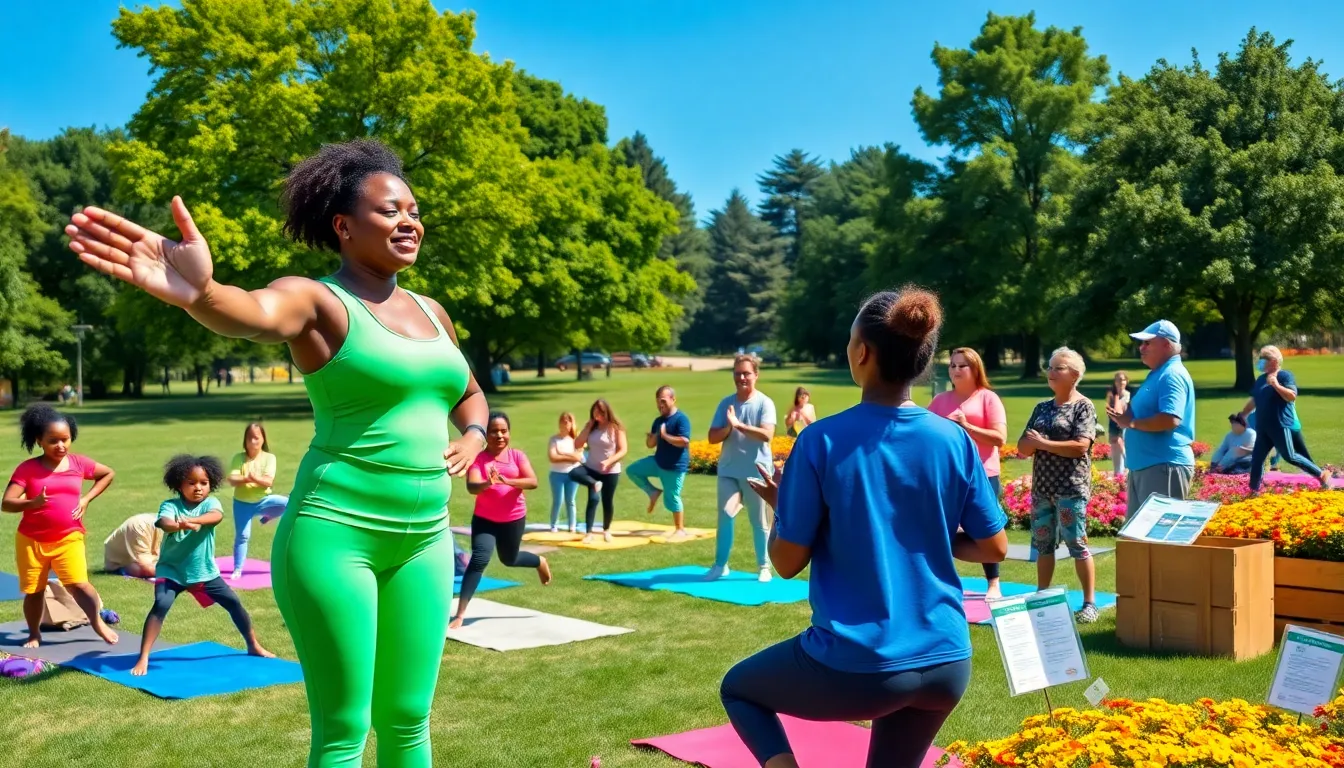
Community wellness refers to the holistic well-being of a group of individuals living in a shared environment. It addresses the physical, mental, and social aspects of health, recognizing that these elements are interconnected. Community wellness encompasses activities that promote health and raise awareness, eventually leading to a healthier populace. A vibrant community thrives on the collective efforts of its members, drawing on their diverse skills and resources to create supportive networks that encourage healthy lifestyles. These initiatives might include recreational programs, mental health resources, and public health education, all contributing to a sense of belonging and mutual support.
Importance of Community Wellness
The significance of community wellness cannot be overstated. Communities that prioritize wellness experience numerous benefits, including lower healthcare costs, enhanced productivity, and improved overall quality of life. Healthier individuals contribute positively to their communities, whether through volunteerism, civic engagement, or simply by being active participants in local initiatives. Besides, strong community bonds enhance social cohesion, which is linked to better mental health outcomes. In contrast, communities lacking in health and wellness initiatives often grapple with higher rates of chronic diseases, mental health issues, and social isolation. So, investing in community wellness is critical for fostering a thriving society.
Key Components of Community Wellness
To achieve optimal community wellness, several components must be addressed:
- Physical Health: Access to healthcare services, nutritious foods, and opportunities for physical activity are foundational to community health. Health fairs, fitness programs, and nutritious cooking classes can significantly impact residents’ physical well-being.
- Mental Health: Mental wellness initiatives, such as peer support groups and counseling services, are vital to ensuring residents can cope with life’s challenges. Education around mental health can reduce stigma and encourage individuals to seek help.
- Social Connectivity: Community engagement fosters a sense of belonging. Social events, volunteer opportunities, and group activities can enhance bonds among residents, leading to stronger networks of support.
- Environmental Factors: Clean air, accessible parks, and safe neighborhoods contribute significantly to overall community well-being. Urban planning that considers green spaces and safe pedestrian pathways can enhance the quality of life.
- Economic Stability: Job training and economic opportunities are essential to sustaining a community’s economic health. Local businesses supported by community members can create jobs and stimulate local economies.
Strategies for Enhancing Community Wellness
Enhancing community wellness requires a multifaceted approach, employing various strategies to engage residents effectively:
- Health Education: Implementing workshops and seminars on nutrition, exercise, and mental health can empower individuals with knowledge. Awareness campaigns can effectively highlight available resources and foster healthy behaviors.
- Collaborative Initiatives: Partnerships with local organizations and businesses can amplify community wellness efforts. For example, a local gym might collaborate with schools to offer fitness classes to students and their families.
- Community Programs: Creating programs tailored to the community’s specific needs, such as chronic disease management or stress reduction workshops, ensures that initiatives are relevant and effective.
- Feedback Mechanisms: Establishing channels for residents to express their needs and preferences about wellness services enhances community involvement. Surveys and focus groups can provide valuable insights into effective programming.
- Accessibility Improvements: Ensuring that wellness programs are accessible to all community members, regardless of age or ability, is key. This might involve offering virtual classes or ensuring physical locations meet accessibility standards.
Role of Technology in Community Wellness
In the digital age, technology plays a pivotal role in promoting community wellness. Mobile applications help access to health resources, exercise routines, and mental health services. Besides, online platforms enable the organization of community events, health challenges, and virtual meet-ups. Social media can significantly enhance community outreach, allowing wellness programs to engage a broader audience effectively. Telehealth services have also emerged as a valuable resource, providing residents with convenient access to healthcare professionals. Also, technology helps in data collection for health assessments, offering critical insights into community health needs.
Success Stories from the LotsOfPower Community
The LotsOfPower community stands as a testament to the transformative power of wellness initiatives. One notable success is the introduction of a community garden that has not only provided residents with fresh produce but also fostered social interaction among participants. Community members report increased physical activity and improved mental well-being as they engage in gardening activities together.
Another successful initiative is the free fitness classes held in local parks, which have seen participation from diverse age groups. Feedback from residents highlights a growing sense of community and motivation to lead healthier lives. Finally, the implementation of mental health workshops in local schools has significantly reduced stigma, leading to increased awareness and support for students struggling with mental health issues. These stories exemplify the positive impact that dedicated community wellness efforts can have.
Conclusion
To conclude, community wellness is a vital component of a thriving society. By understanding its importance and implementing effective strategies, communities can enhance the physical, mental, and social well-being of their members. The LotsOfPower community serves as an inspiring model, revealing how collective efforts can lead to meaningful improvements in health and quality of life. As more communities embrace the principles of wellness, they pave the way for healthier, happier, and more connected societies.