

In a world where everyone and their mother has a podcast, standing out is crucial. And believe it or not, one of the best ways to elevate your audio game is by investing in solid podcasting headphones. After all, if you’re not hearing your sound clearly, how can you expect your audience to? Finding the right headphones might feel like hunting for a needle in a haystack, but don’t worry, we’ve got the tools and insight you need to navigate this audio adventure. Buckle up, because we’re about to jump into the wonderful world of podcasting headphones.
Understanding the Importance of Quality Headphones in Podcasting
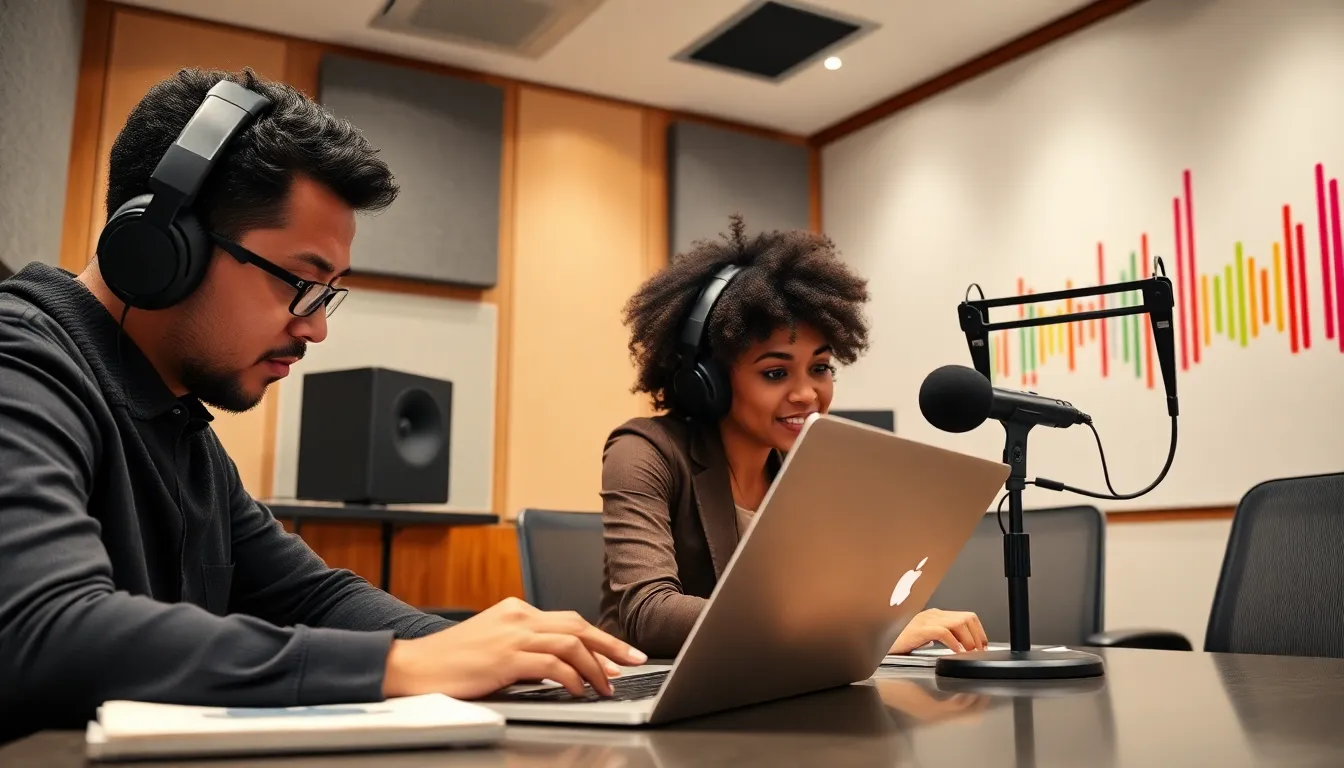
Quality headphones are like a chef’s knife in the kitchen: they make all the difference. When it comes to podcasting, clear audio is paramount. Whether you’re editing your latest episode or recording a live session with a guest, subpar sound can ruin the experience.
Imagine producing the most insightful episode ever, but the audio sounds like you recorded it in a tin can. Not ideal, right? Investing in high-quality headphones ensures that podcasters can accurately monitor sound levels, detect issues before they become a problem, and maintain a crisp sound throughout the entire production process.
Also, good headphones can help eliminate distractions. When the world outside is filled with chaos, cars honking, dogs barking, headphones can immerse the user in a cocoon of sound, allowing total concentration on the task at hand. This level of focus can be the difference between a mediocre episode and a standout one.
Key Features to Look for in Podcasting Headphones
When shopping for podcasting headphones, it’s essential to consider a few critical features. Not all headphones are created equal, and certain specifications can significantly enhance the podcasting experience.
Top Types of Headphones for Podcasters
Headphones come in various styles, each with its unique advantages. Here’s a breakdown of the top types to consider.
1. Over-Ear Headphones
Ideal for long podcasting sessions, over-ear headphones provide comfort and superior sound isolation. They envelop the ear completely, which helps to block out noise from the outside world. This feature allows podcasters to monitor their recordings precisely without interference.
2. On-Ear Headphones
On-ear headphones rest on top of the ears, providing a snug fit without the bulk of over-ear options. They’re lighter, making them a great choice for podcasters seeking a balance between portability and quality. But, they may not block as much external noise as their larger counterparts.
3. In-Ear Monitors (IEMs)
For those who prioritize portability, in-ear monitors are a perfect solution. These tiny headphones pack a punch when it comes to sound quality, and their compact size makes them convenient for travel. While they may not offer the same levels of sound isolation as over-ear headphones, they can still deliver a rich audio experience.
Wired vs. Wireless Headphones: What’s Best for Podcasting?
The debate between wired and wireless headphones isn’t just a trendy argument: it significantly impacts podcast production.
Wired headphones often provide superior audio quality without the risk of connectivity issues. They also eliminate the need for battery management, which can be a lifesaver during long recording sessions. Many professionals argue that true podcasting requires a wired connection for the clearest sound.
On the flip side, wireless headphones boast convenience and freedom. They allow for more mobility, making them great for podcasters who want to move around during recordings, perhaps while pacing or gesturing for emphasis.
Eventually, the choice hinges on personal preference and podcasting style. Some may cherish the reliability of wired options, while others revel in the freedom that wireless headphones provide.
How Headphone Impedance Affects Your Podcasting Experience
Headphone impedance is a crucial yet often-overlooked specification. It refers to the resistance headphones present to the audio source and is measured in ohms. In simpler terms, headphone impedance affects how much power is required to drive the headphones effectively.
Low-impedance headphones (usually below 50 ohms) can be efficiently used with portable devices, making them ideal for on-the-go podcasters. These headphones don’t require excessive power to deliver a good sound profile. But, they may not perform as well with high-powered audio interfaces.
High-impedance headphones (greater than 200 ohms) work exceptionally well with studio equipment, providing stellar audio quality. That said, they might demand more powerful amplifiers, which can complicate your setup slightly. Podcasters must weigh their options and choose headphones that suit their recording environment.
Recommendations for the Best Podcasting Headphones
Navigating the world of headphones can feel overwhelming, but some brands and models consistently emerge as favorites among podcasters. Here are a few stellar options to consider:
- Audio-Technica ATH-M50X: Renowned for their sound quality and comfortable fit, these over-ear headphones are a perennial favorite. They offer excellent sound isolation and a transparent listening experience, perfect for mixing and editing.
- Sony WH-1000XM4: If convenience is key, these wireless headphones deliver exceptional noise cancellation and superior sound quality. Their smart features and long battery life make them a noteworthy option for busy podcasters.
- Sennheiser HD 280 Pro: A robust choice for those on a budget, these over-ear headphones offer great sound isolation and durability. They’re an affordable way to access high-quality audio without very costly.
- Shure SE215: For the on-the-go podcaster, these in-ear monitors provide high sound isolation and excellent audio clarity. Their compact size also makes them easy to transport.
- Beyerdynamic DT 770 Pro: Known for their outstanding comfort and sound quality, these over-ear headphones are often used in professional settings. They’re durable and provide excellent sound reproduction, making them a fantastic long-term investment.